


Understanding Play Therapy for Young Children
Play therapy is a structured, theoretically based approach to therapy that uses play as the primary medium of therapeutic work with children. It is grounded in the recognition that play is how children naturally process their experiences, develop their understanding of the world, and communicate what they cannot yet put into words. A trained play therapist creates a safe, carefully structured environment filled with specific therapeutic materials – dolls, puppets, art supplies, sand, miniature figures, building materials, and more – and facilitates the child’s play in ways that support healing, growth, and emotional development. Play therapy is not simply playing with children. It is a sophisticated clinical approach requiring specialized training, with a substantial and growing body of research evidence supporting its effectiveness for a wide range of childhood concerns.
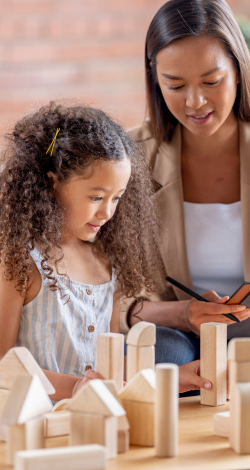
Therapists Offering Play Therapy Support

















About Play Therapy Therapy
Why seek therapy?
Play therapy is sought for young children who are struggling emotionally or behaviourally but are not yet developmentally ready for talk-based therapy, who have experienced trauma or significant loss, who are anxious, withdrawn, aggressive, or showing other concerning behaviours, or who have difficulty with emotional regulation. It is also appropriate for children navigating major family changes – parental separation, a new sibling, bereavement, or a move – where support is needed but verbal processing is limited by developmental stage.
How therapy helps
Play therapy helps children by providing a safe, structured environment where they can express and process experiences and emotions that exceed their verbal capacity. Through their play, children communicate their inner world, work through traumatic or distressing experiences, practice new ways of relating and responding, and develop greater emotional awareness and regulation. The therapist’s skilled, attuned engagement with the child’s play – reflecting, facilitating, and sometimes gently guiding – provides both the therapeutic relationship and the specific interventions that produce change. Parent consultation ensures that the work done in the playroom is supported and extended at home.
Benefits of Play Therapy Therapy
Developmentally Natural
Play therapy works with how children actually process their experiences – not against it. By using the natural medium of childhood communication, play therapy is accessible and engaging for young children in a way that talk-based approaches simply are not.
Processing Without Words
Many of the experiences that bring young children to therapy – early trauma, attachment disruption, significant loss, family upheaval – are pre-verbal or emotionally overwhelming. Play therapy provides a pathway to these experiences that verbal questioning cannot reach.
Building Essential Skills
Play therapy builds emotional vocabulary, self-regulation, social skills, and the capacity for resilience – through the same medium children use to develop all their skills. The gains made in play therapy extend well beyond the therapy room.
Play is how children heal. Play therapy gives them the space to do it.
Start Feeling Better.
Our Hamilton play therapists create safe, structured environments where young children can process, express, and grow through the power of play. No referral needed. Book online or call (905) 962-2220. Evening and weekend appointments available in person in Hamilton or online anywhere in Ontario.

Our Approach to Play Therapy for Young Children
Play therapy at Empire is delivered by therapists with specific training in child-centered and directive play therapy models. The playroom is carefully equipped with a range of therapeutic materials selected to facilitate a broad range of expression and play themes.
The therapeutic approach varies by the child’s needs and presenting concerns. Child-centered play therapy follows the child’s lead entirely, with the therapist providing attunement and reflection. Directive play therapy introduces specific activities or themes to address particular clinical goals. Most effective play therapy integrates both approaches.
For children who have experienced trauma, structured trauma-focused play therapy protocols provide a graduated approach to processing traumatic experiences through play – ensuring that the work is appropriately paced and that the child remains within their window of tolerance throughout.
Parent consultation is built into the play therapy model. Parents receive regular updates, psychoeducation about what their child is working through, and practical guidance on how to support the child’s emotional development at home. Parent-child play therapy sessions, where parents and children are in the playroom together with the therapist facilitating, can be a powerful additional component.

Common Questions About Play Therapy Therapy
How is play therapy different from just playing with my child?
Play therapy is conducted by a therapist with specialized training in using play therapeutically. The playroom environment, the materials selected, and the therapist’s specific responses to the child’s play are all clinically intentional. It looks like playing – and that is partly the point – but it is structured clinical work.
Will my child be directed in their play or allowed to do whatever they want?
This depends on the therapeutic model and the child’s needs. Child-centered play therapy is entirely child-led. Directive approaches introduce specific activities. Most effective play therapy integrates both. Your therapist will explain their approach and adapt it to your child.
How will I know what is happening in the sessions if I am not in the room?
Regular parent consultations provide updates on the themes and progress emerging in your child’s play therapy. For younger children or when the parent-child relationship is a focus, parent-child sessions may be used. Complete confidentiality of the child’s specific play is maintained, but the overall direction and goals are shared.
How long does play therapy take?
This varies considerably by the child’s presenting concerns and their response to treatment. Some children make significant progress in 12 to 20 sessions; others with more complex presentations benefit from longer-term work. Your therapist will discuss pacing and goals with you from the outset.
Is a referral required?
No. You can book directly online or by calling (905) 962-2220.
History of Play Therapy Therapy
Evolution of Treatment
Play therapy has roots in early 20th century psychoanalytic work with children, including the contributions of Melanie Klein and Anna Freud, who recognized that children communicate through play rather than free association. Virginia Axline’s development of non-directive, child-centered play therapy in the 1940s and 50s was particularly influential – establishing a humanistic framework for play therapy that emphasized the child’s inherent capacity for growth and self-healing within the right therapeutic conditions. The field has since expanded to include directive approaches, trauma-focused protocols, and family-based models.
A Modern Approach in Canada
Current play therapy practice in Canada integrates neuroscience of play and child development, attachment theory, and trauma-informed approaches with the foundational play therapy traditions. Play therapy is recognized by the Canadian Association for Play Therapy as a distinct clinical specialty requiring graduate training and supervised clinical hours. A growing body of research evidence supports play therapy’s effectiveness for anxiety, trauma, behavioural concerns, and a range of other childhood mental health challenges.
You don’t have to carry this on your own.
Ready to Take the Next Step?
No referral needed. Our Hamilton play therapists provide specialized, evidence-based therapeutic support for young children through the natural language of play. Book online today or call us at (905) 962-2220. Evening and weekend appointments available in person in Hamilton or online anywhere in Ontario.