

Understanding Art Therapy for Young Children
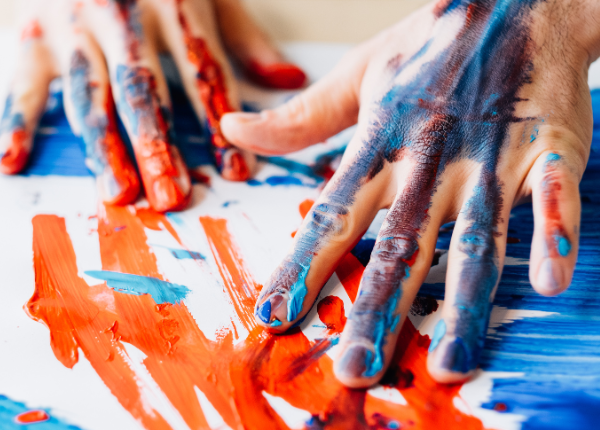
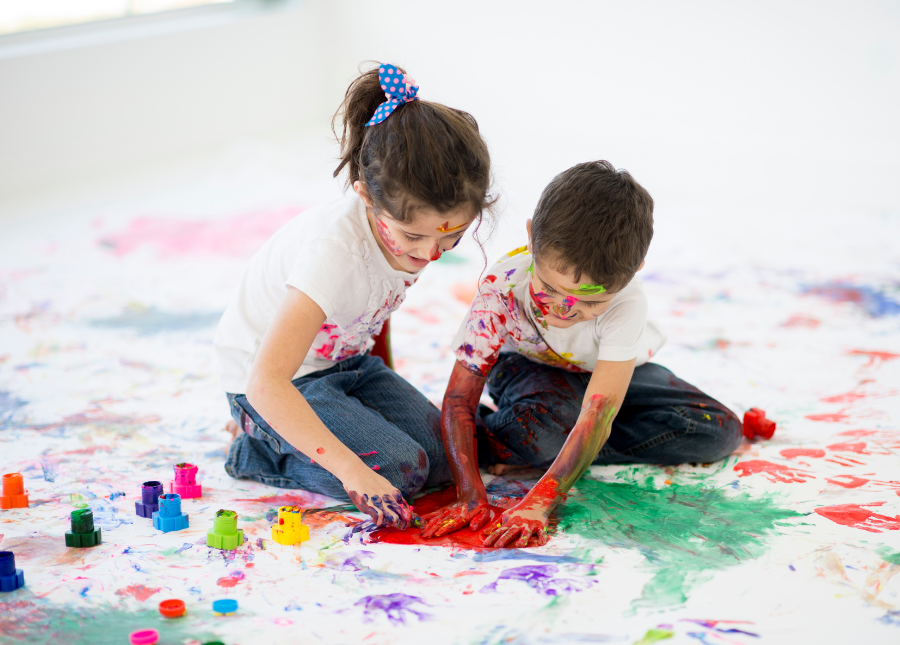
Art therapy uses creative expression – drawing, painting, sculpting, collage, and other visual art forms – as a primary medium for therapeutic work. It is not art class, and the quality of the product is irrelevant. What matters is the process: the choices made, the emotions expressed, the stories told and sometimes transformed through creative engagement. For young children, art therapy is particularly valuable because it works with how children naturally communicate – through images, symbols, and creative play rather than verbal abstraction. Many of the experiences and emotions that bring young children to therapy are pre-verbal or difficult to articulate: early trauma, attachment disruption, anxiety, grief, and the complex feelings that accompany major family changes. Art provides a natural bridge to these experiences that direct verbal questioning often cannot reach.
Therapists Offering Art Therapy Support















About Art Therapy Therapy
Why seek therapy?
Parents seek art therapy for young children when their child is struggling emotionally or behaviourally and does not have sufficient verbal capacity to engage in talk-based therapy, when the child has experienced trauma or significant loss that they cannot articulate, when a child is withdrawn or anxious in ways that seem to go beyond typical development, or when standard play therapy or talk therapy has not been the right fit. Art therapy is also sought by parents who recognize that their child communicates primarily through creative expression and want a therapeutic approach that honours that.
How therapy helps
Art therapy helps young children in multiple ways. The creative process itself is often regulating – the physical engagement with materials, the focus of attention, and the sense of accomplishment provide immediate calming and grounding. The therapist observes and gently engages with what emerges in the child’s art, providing attunement, reflection, and careful facilitation of the child’s own meaning-making process. Over time, art therapy helps children develop greater emotional vocabulary, process difficult experiences in a contained and safe way, build self-esteem and a sense of mastery, and communicate with caregivers in new ways.
Benefits of Art Therapy Therapy
Communication Without Words
Young children who cannot yet articulate their emotional experiences verbally can express them powerfully through art. Art therapy meets children in their natural expressive mode – creating access to experiences and emotions that talk-based approaches cannot reach.
Regulation Through Creativity
The physical, sensory experience of art-making is itself regulating for many children. The focused, creative engagement of art therapy builds the child’s capacity for self-regulation through a medium that is engaging, non-threatening, and inherently rewarding.
Meaning-Making Through Images
Children process their experiences through play and creative expression – and art provides a medium for this meaning-making that is developmentally natural and therapeutically powerful. Art therapy helps children develop a coherent narrative of their experience through images and symbols.
Some things are too big for words. Art gives children another way to express them.
Start Feeling Better.
Our Hamilton art therapists work with young children using creative expression as a powerful vehicle for healing and growth. No referral needed. Book online or call (905) 962-2220. Evening and weekend appointments available in person in Hamilton or online anywhere in Ontario.
Our Approach to Art Therapy for Young Children
Art therapy at Empire for young children is child-led and process-focused. Our art therapists create a safe, inviting creative space with a range of materials – drawing, painting, clay, collage, and more – and follow the child’s lead in what they engage with and how.
The therapist’s role is one of attentive, skilled witnessing – observing what emerges in the child’s creative process, making gentle reflections, and facilitating the child’s own meaning-making without directing or interpreting too quickly. The child’s relationship with the materials and the process is the primary therapeutic vehicle.
Over the course of treatment, the therapist tracks themes, symbols, and patterns that emerge across sessions – developing an understanding of the child’s inner world that informs the therapeutic approach and, where appropriate, is shared carefully with parents.
Parent consultation is an important component. We help parents understand what their child is expressing through their art, provide guidance on supporting the child’s creative expression at home, and give parents tools for maintaining the therapeutic gains made in sessions.

Common Questions About Art Therapy Therapy
Does my child need to be artistic for art therapy to work?
No. Art therapy is entirely process-focused – the quality or appearance of the art is completely irrelevant. Children who consider themselves ‘not artistic’ often thrive in art therapy, precisely because there are no standards or expectations for the product.
How is art therapy different from play therapy?
Both are creative, non-verbal approaches suitable for young children. Play therapy uses play as the primary medium; art therapy uses visual art-making. Some therapists integrate both. The choice depends on the child’s natural engagement style and what the therapist assesses as most appropriate.
Will my child's art be shown to me?
The art belongs to the child, and what is shared with parents is decided collaboratively – with respect for the child’s privacy and the therapist’s judgment about what sharing serves the treatment goals. Your therapist will discuss this with you at the outset.
At what age is art therapy appropriate?
Art therapy is appropriate from a very young age – as young as three or four, when children can engage meaningfully with simple art materials. The choice of materials and the approach are adapted to the child’s developmental stage.
Is a referral required?
No. You can book directly online or by calling (905) 962-2220.
History of Art Therapy Therapy
Evolution of Treatment
Art therapy as a formal discipline developed in the mid-20th century, building on the intersection of psychoanalytic theory and observation of the therapeutic properties of artistic expression. Pioneer figures including Margaret Naumburg and Edith Kramer developed distinct theoretical frameworks – the first emphasizing art as communication and symbolic expression, the second emphasizing the therapeutic value of the creative process itself. Both traditions have contributed to contemporary art therapy practice.
A Modern Approach in Canada
Current art therapy practice in Canada integrates contemporary psychological frameworks – including trauma-informed care, attachment theory, and neuroscience of creativity – with the art-making process. Art therapy is recognized as a distinct allied health profession requiring specialized graduate training. It is increasingly supported by research evidence demonstrating its effectiveness for emotional regulation, trauma processing, and wellbeing across the lifespan – including in young children.
You don’t have to carry this on your own.
Ready to Take the Next Step?
No referral needed. Our Hamilton art therapists provide skilled, child-led creative therapy for young children. Book online today or call us at (905) 962-2220. Evening and weekend appointments available in person in Hamilton or online anywhere in Ontario.