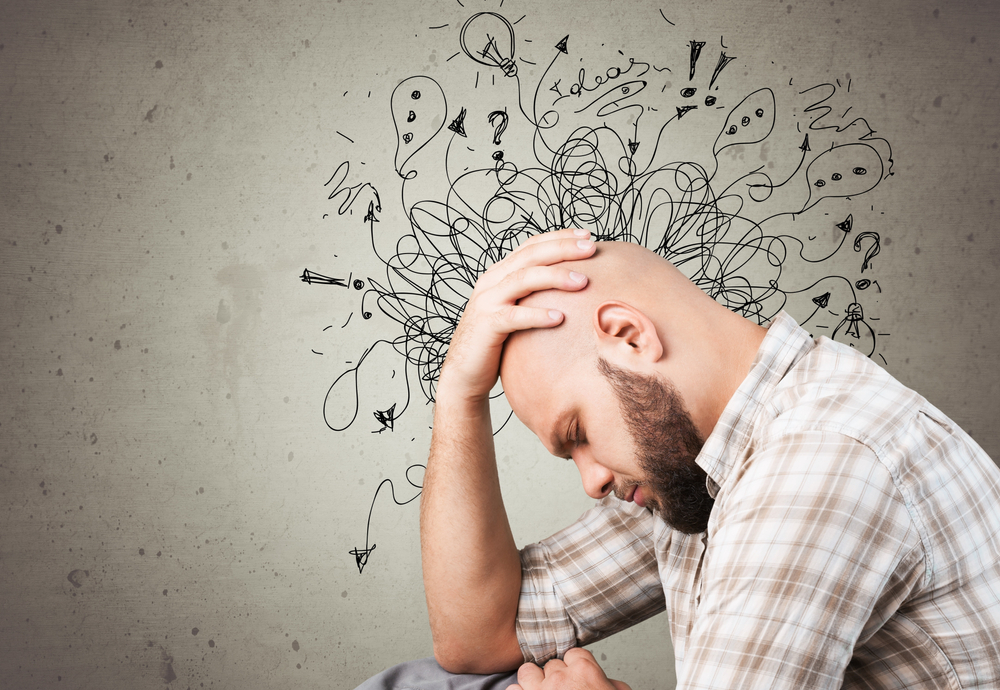
Did you know that 1 in 4 Canadians will experience at least one anxiety disorder in their lifetime?
Anxiety can be a broad term for describing a disorder that causes fear and panic. The symptoms can vary from mild to severe, to the point of impeding on day-to-day living.
To help you better understand anxiety, here are some different types of anxiety disorders as well as available treatment methods.
Generalized Anxiety Disorder (GAD)
Generalized Anxiety Disorder involves excessive worry that is difficult to manage. You may find yourself overthinking potential events in the future to the point where you feel stressed or anxious.
Oftentimes, there are no specific symptoms of GAD. Instead, it’s an overall feeling of anxiety that persists throughout the majority of the day for at least 6 months.
Social Anxiety Disorder
Also known as social phobia, social anxiety disorder involves the fear of being criticized, embarrassed, or humiliated in public.
It can cause difficulty talking with large groups of people or people in general and those who deal with social anxiety disorder tend to avoid social situations that could trigger their anxiety.
Obsessive-Compulsive Disorder (ODD)
OCD is an anxiety disorder in which a person has thoughts that are difficult to control and they find themselves repeating certain actions over and over.
Many individuals who suffer from OCD have an extreme fear of germs or obsess over having things in order. It can also cause a person to repeat an action repeatedly such as locking the door three times or counting things.
Panic Disorder
Panic disorder involves having panic attacks that happen without warning and causes you to experience shortness of breath, chest pains, sweating, shaking, and dizziness.
During a panic attack, which lasts about 20 minutes, you may also feel disassociated from reality or fear something bad is going to happen.
Post-Traumatic Stress Disorder (PTSD)
Post-traumatic stress disorder is an anxiety disorder related to a traumatic experience that happened in the past. This long-term condition can cause symptoms for years after the event.
The symptoms of PTSD generally start within 3 months of the traumatic event but they can appear months and years later.
The symptoms of PTSD include flashbacks, bad dreams, tension, anxiety, sleep issues, concerning thoughts, and unprovoked anger.
Phobias

Phobias are irrational and overwhelming fears connected to a place, situation, or object.
Common phobias include:
- Claustrophobia (the fear of tight spaces)
- Acrophobia (the fear of heights)
- Aquaphobia (the fear of water)
- Agoraphobia (the fear of panicking and not being able to escape a situation)
Agoraphobia is actually considered an anxiety disorder on its own and typically involves an individual being afraid to leave their home. However, this phobia is more complex than that and actually involves the fear of feeling anxiety or panic.
Separation Anxiety
This form of anxiety is commonly diagnosed in young children but adults can experience it too. Separation anxiety is characterized by the fear of something bad happening to someone in your life.
Symptoms can include worry, panic, anxiety, and fear when they are separated from a parent or loved one.
How Are Anxiety Disorders Treated?
There are different treatment options available when it comes to managing the symptoms of anxiety disorders. Generally, those with an anxiety disorder take medication and seek therapy.
Medication
There are several types of medication prescribed by doctors to treat anxiety disorders. A medical professional can help determine which medication is best for you.
The types of medication used to treat anxiety disorders include:
- Antidepressants: These are typically the first medications prescribed for anxiety disorders and include SSRIs such as Prozac and SNRIs such as Cymbalta.
- Benzodiazepines: These medications are often prescribed by doctors if your feelings of panic or anxiety are persistent. They work quickly to lower anxiety and they are not meant to be used long-term.
- Beta-Blockers: Beta-blockers are high blood pressure medications that can help calm the physical symptoms of anxiety such as trembling, racing heart, or shaking.
Therapy
There are two types of therapy that can help you manage the emotional effects of anxiety: Psychotherapy and Cognitive Behavioural Therapy (CBT).
Psychotherapy, also known as “talk therapy”, involves talking with a therapist who will help you work through your thoughts and feelings. They will help you understand and manage your anxiety disorder.
Cognitive Behavioural Therapy is a form of psychotherapy that helps you turn negative thoughts and behaviours into positive ones. This way, you can manage worrisome situations without anxiety.
Self-Management
Along with medication and therapy, you can take steps to manage your symptoms:
- Learn about your disorder so you can best prepare to manage your symptoms. Knowing the type of anxiety you are experiencing will help you take steps to deal with it.
- Stick to your treatment plan and don’t stop taking your medication because you feel better. Without properly weaning yourself from medication, you could end up experiencing more severe anxiety symptoms.
- Pay attention to what you put in your body. Foods and drinks that contain caffeine can worsen the symptoms of anxiety. Likewise, avoid alcohol and recreational drugs which could aggravate your symptoms as well.
- Prioritize your sleep, eat right, and exercise. Taking care of your body will help reduce the symptoms of your anxiety disorder.
- Learn how to manage your stress and relax by practicing mindfulness or partaking in enjoyable activities that make you feel calm.
- Learn how to manage your negative thoughts by turning them into positives. Keeping a journal can also help you sort out your thoughts and reduce your anxiety.
Seeking Support for Anxiety Disorders
Anxiety disorders more prevalent than you may think and it can be helpful to reach out to someone to seek support. Begin by speaking to your health professional as well as a qualified and compassionate therapist.
Our team at Empire Psychotherapy in Hamilton, Ontario, is here for you. Our therapists are skilled in a wide number of different treatment methods to help you navigate the challenges of anxiety and achieve your goals.
Give us a call at (905) 962-2220 or contact us online to book your appointment.

Our Locations
Located in Hamilton, Ontario, Empire Psychotherapy offers accessible counselling services with flexible scheduling, including evenings and weekends. We serve clients in Hamilton and across Ontario through both in-person and online therapy appointments.