
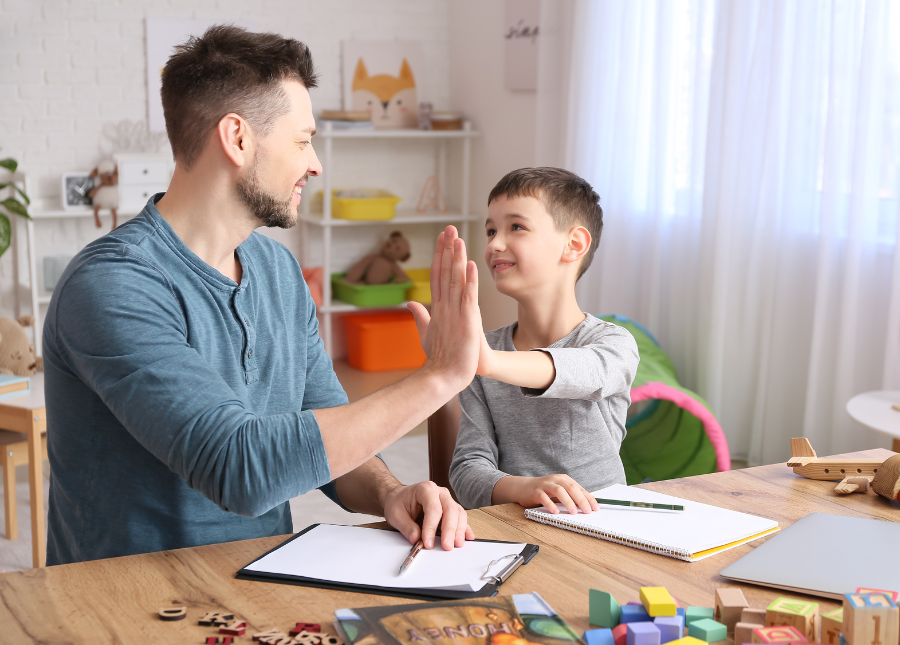

Understanding Aggressive Behaviour in Children
Biting, hitting, and bullying behaviours in children are among the most distressing challenges parents face – and among the most misunderstood. These behaviours are rarely about malice. In young children, physical aggression is almost always a communication and regulation problem: the child does not yet have the emotional vocabulary or the regulatory capacity to express overwhelming feelings in any other way. In older children and teenagers, bullying behaviour often reflects unmet emotional needs, poor social skills, exposure to aggressive models at home or in media, or an attempt to gain control in an environment where the child feels powerless. Understanding what is driving the behaviour – not just responding to the behaviour itself – is the foundation of effective intervention.
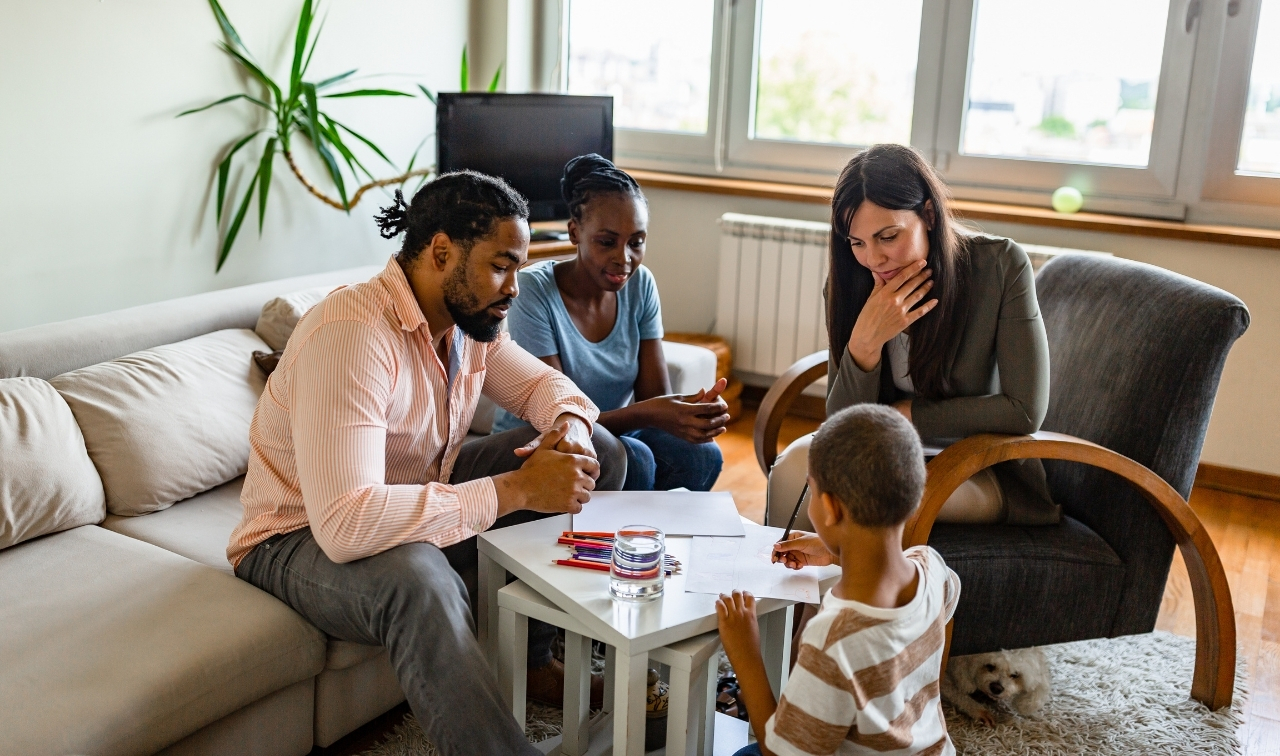
Therapists Offering Aggressive Behaviour Support
















About Aggressive Behaviour Therapy
Why seek therapy?
Parents seek therapy for aggressive behaviour when it has become frequent, intense, or is affecting their child’s relationships at home, at school, or with peers. Sometimes the child is the one who is aggressive; sometimes they are the target of bullying and the behaviour is a response to victimization. Either way, the behaviour is a signal that the child needs more support than they are currently receiving. Early intervention is important – aggressive behaviour patterns that are established in early childhood can be very difficult to shift later without professional support.
How therapy helps
Therapy helps children who are aggressive develop the emotional regulation skills they are missing – learning to recognize their emotional state before it reaches the point of physical expression, and developing a range of alternative responses to frustration, overwhelm, and conflict. Therapy also helps identify the underlying needs, fears, or experiences driving the behaviour – whether that is anxiety, trauma, a learning difficulty, an undiagnosed neurodevelopmental condition, or something happening in the family or peer environment. Parent consultation is essential: parents learn how to respond to aggressive episodes in ways that de-escalate rather than escalate, set effective limits, and build the child’s skills at home.
Benefits of Aggressive Behaviour Therapy
Improved Emotional Regulation
Children who bite, hit, or bully are typically experiencing emotions they cannot manage. Therapy builds the regulatory capacity they are missing – so intense emotions no longer automatically result in physical or relational aggression.
Better Peer Relationships
Aggressive behaviour damages friendships and social standing quickly. As a child develops better emotional and social skills, their peer relationships improve – reducing the isolation and rejection that often fuel further aggression.
Calmer Family Life
When a child’s aggressive behaviour is frequent and intense, it affects the entire family. Effective therapy – combined with parent coaching – reduces the frequency and severity of aggressive episodes, and gives parents the tools to respond confidently.
Aggressive behaviour is a signal. We help you understand what it means – and what to do.
Start Feeling Better.
Our Hamilton therapists work with children and parents together to address the emotional roots of biting, hitting, and bullying behaviour. In person or online across Ontario. Evening and weekend appointments available. No referral needed.

Our Approach to Aggressive Behaviour Therapy
At Empire Psychotherapy, we approach aggressive behaviour in children from a whole-child perspective. We begin by understanding the full picture: the child’s developmental stage, their family environment, their social context, any co-occurring conditions, and the specific patterns of the aggressive behaviour – when it happens, what seems to trigger it, and what typically follows.
For young children, therapy is delivered primarily through play – using structured therapeutic activities to build emotional vocabulary, self-regulation skills, and alternative ways of responding to frustration and conflict. For older children, sessions are more skills-focused and increasingly verbal.
Parent consultation is a central component of treatment. Parents learn about the emotional and neurological factors driving the behaviour, how to respond in ways that de-escalate and teach rather than inflame, how to set firm and calm limits, and how to create an environment at home that supports the child’s developing regulatory skills.
Where bullying involves the child as a victim as well as a perpetrator, we address both dimensions – supporting the child’s resilience and self-esteem alongside the behavioural concerns.

Common Questions About Aggressive Behaviour Therapy
Is my child a bully? Does that mean something is seriously wrong?
Bullying behaviour does not make a child a bad person – and it doesn’t mean something is irreparably wrong. It usually means a child is struggling emotionally and socially in ways that are coming out in their behaviour. Early therapeutic support changes outcomes significantly.
My toddler bites at daycare. Is that normal, and does it need therapy?
Biting is developmentally common in toddlers who don’t yet have the language to express frustration – but if it is frequent or intense, it’s worth getting some support. Even a few parent consultation sessions can give you the tools to address it effectively.
My child is being bullied and has started hitting back. How do I handle this?
This is a very common and understandable response to victimization. Therapy can help your child process the experience of being bullied, develop more effective responses, and rebuild their self-esteem – while also addressing the physical retaliation in a compassionate, non-shaming way.
Will therapy make my child feel bad about their behaviour?
No. Our therapists work with children in a warm, non-shaming way. The goal is not to make children feel guilty – it’s to help them understand their own emotional experience and develop better tools. Most children feel relieved to have a space where they can be honest about what’s hard.
Is a referral required?
No. You can book directly online or by calling (905) 962-2220.
History of Aggressive Behaviour Therapy
Evolution of Treatment
Approaches to aggressive behaviour in children have evolved significantly over time. Early interventions were primarily punitive – focused on consequences for the behaviour without attention to underlying causes. Research over the past several decades has shifted the field substantially toward understanding aggression as a symptom of emotional and regulatory difficulties, not a character problem. The most effective interventions now combine skills-based therapy with the child, parent training, and attention to the child’s broader environment – including school and family factors.
A Modern Approach in Canada
Current evidence-based practice in Canada recognizes that aggressive behaviour in children is best understood as a communication problem and an emotional regulation deficit. Treatment focuses on building the skills the child is missing – emotional recognition, self-regulation, conflict resolution, and prosocial behaviour – while addressing the underlying factors that are driving the behaviour. Parent training is now recognized as one of the most powerful components of effective treatment, since parents are the child’s primary regulatory environment.
The right support now can fundamentally change your child’s trajectory.
Ready to Heal?
No referral needed. Our Hamilton therapists work with children and parents together to address the roots of aggressive behaviour – not just the behaviour itself. Book online today or call us at (905) 962-2220. Evening and weekend appointments available in person in Hamilton or online anywhere in Ontario.